> For the complete documentation index, see [llms.txt](https://windows.help.formit.autodesk.com/llms.txt). Markdown versions of documentation pages are available by appending `.md` to page URLs; this page is available as [Markdown](https://windows.help.formit.autodesk.com/ja/tool-library/cover-sweep-loft.md).
# かぶり、スイープ、ロフト
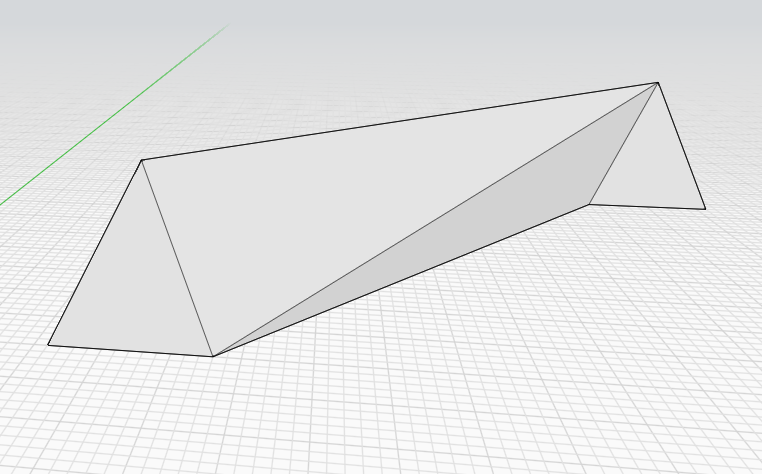
この演習では、開いているエッジを囲む方法、エッジのパスに沿ってジオメトリを変更する方法、複数のプロファイルやエッジを接続する方法について説明します。
## 一連の面を閉じるには
1. アクション バーの **\[高度なジオメトリ ツール]** メニューから、**\[かぶり]** ツールをクリックします。.png?alt=media)
2. 囲むオブジェクトのエッジをクリックします。
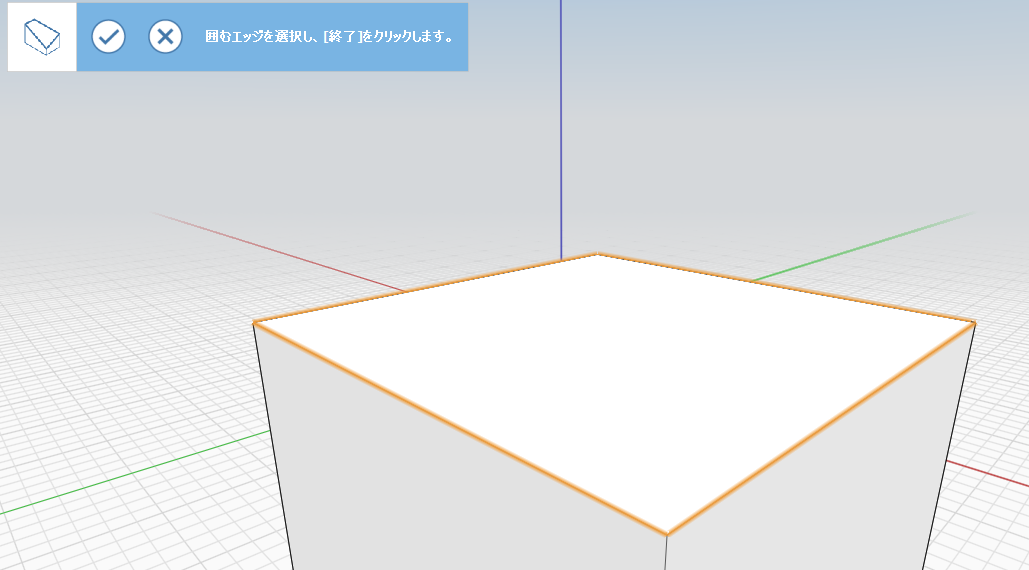 1. **\[完了]** をクリックします。
%20\(1\)%20\(2\).png?alt=media) 
## パスに沿ってジオメトリをスイープするには
1. 線分を使用して、切り取るオブジェクトの面をマークします。
2. \[スイープ ツール]アイコンをクリックします。 .png?alt=media)
3. 上の手順でマークした面を選択します。
```

```
1. 切り取るエッジを選択します。
1. **\[完了]** をクリックします。
%20\(1\)%20\(2\).png?alt=media) 
## パスに沿ってジオメトリをスイープするには
1. 線分を使用して、切り取るオブジェクトの面をマークします。
2. \[スイープ ツール]アイコンをクリックします。 .png?alt=media)
3. 上の手順でマークした面を選択します。
```

```
1. 切り取るエッジを選択します。
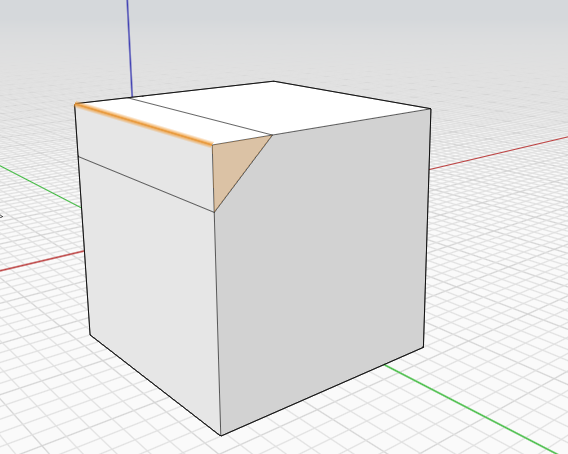 2. **\[終了]** アイコンをクリックします。元のオブジェクトがスイープ パスに沿って修正されます。%20\(1\)%20\(2\).png?alt=media)
## 複数のプロファイルまたはエッジをロフトするには
1. アクション バーの **\[高度なジオメトリ ツール]** メニューから、**\[ロフト]** ツールをクリックします。.png?alt=media)
2. 最初のオブジェクトでロフトする面またはエッジを選択します。
2. **\[終了]** アイコンをクリックします。元のオブジェクトがスイープ パスに沿って修正されます。%20\(1\)%20\(2\).png?alt=media)
## 複数のプロファイルまたはエッジをロフトするには
1. アクション バーの **\[高度なジオメトリ ツール]** メニューから、**\[ロフト]** ツールをクリックします。.png?alt=media)
2. 最初のオブジェクトでロフトする面またはエッジを選択します。
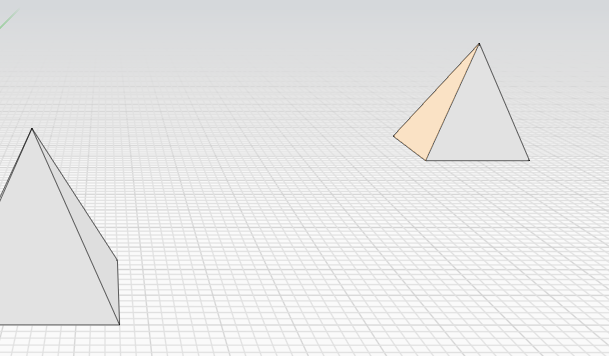 3. 次のオブジェクトでロフトする面またはエッジを選択します。この手順を繰り返してオブジェクトを追加します。
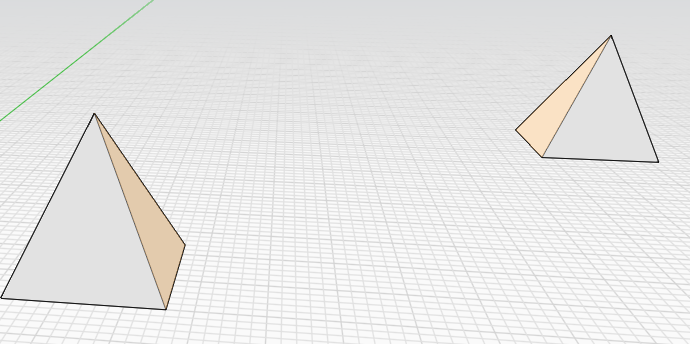 4. **\[終了]** アイコンをクリックします。%20\(1\)%20\(2\).png?alt=media)
4. **\[終了]** アイコンをクリックします。%20\(1\)%20\(2\).png?alt=media)